
Post
Commercial Video Continuity in the UAE: Make Separate Takes Feel Like One Clear Action
A product is opened in one shot and appears closed in the next. A presenter reaches with one hand, but the close-up shows the other. Individually, the images look polished; together, they make the action difficult to follow. Commercial video continuity in the UAE is the practical work of keeping related shots consistent enough for an audience to understand the sequence without being distracted by accidental changes.
This guide focuses on relationships between takes, rather than approving a storyboard or selecting an interview background. The examples are hypothetical UAE production situations, not claims about completed client work. Continuity does not mean every frame must look identical. It means that deliberate changes serve the story, while unplanned changes are noticed and managed before they limit the edit.
Identify what the viewer needs to follow
Start by listing the actions that communicate the commercial message. A film for a Dubai furniture brand might show a customer entering, testing a chair and inspecting its adjustment mechanism. A service film may follow a document from receipt to review. Identify which shots must appear connected and which are independent details that can be rearranged without confusing the process.
Mark the state at the beginning and end of each connected action. Is the packaging sealed or open? Is the screen showing a draft or an approved record? Does a drink begin full or partially consumed? These states often matter more than an ornamental detail in the background. The production team should understand the sequence’s logic before collecting visually attractive coverage.
Create a continuity record that people will actually use
Assign one person to keep concise notes for connected scenes. The record can include scene and take identifiers, reference images, product state, wardrobe details, hand positions and any accepted variation. Use the same identifiers as the camera and production notes where practical. A note that says the good shot is the third one becomes ambiguous when several cameras or repeated setups are involved.
Keep the record accessible to the people resetting the scene and preparing the edit. It should support decisions, not become a separate administrative project. Photograph the final approved setup when that helps restore it later. Record changes explicitly, especially when the team decides that a new arrangement is preferable and earlier takes may no longer match.
Separate product accuracy from cosmetic consistency
A label, control position, component or screen state can carry information about the product. Check those elements against the approved product version. Do not use continuity as a reason to show an inaccurate configuration simply because an earlier take contained it. Correct the setup and identify which earlier shots must be replaced or excluded.
Plan consumable and changing props
Food, drinks, flowers and opened packaging change during production. Decide how the team will reset them and when a fresh item is needed. A restaurant film in Abu Dhabi may require a repeatable plate arrangement for several angles of the same serving action. Reference images help, but the food must still represent the actual dish rather than an unsupported visual promise.
Make performance repeatable without making it unnatural
Discuss the essential action with the performer before recording. Identify where the movement begins, which hand handles the object and where it ends. Rehearse enough for the person to repeat the useful parts without appearing mechanical. A small variation in expression may be harmless, while a different order of actions can make the planned cut impossible.
When recording dialogue across takes, note changes to wording that alter meaning or timing. The editor needs to know whether a shorter phrase is an approved alternative or an incomplete attempt. Do not combine fragments into a claim the speaker never intended. Performance continuity should support clear communication and accurate representation, especially in testimonial or explanatory content.
Keep spatial relationships understandable
Consider how people and objects relate across shots. If a customer appears to move toward a desk, the following view should help the viewer recognise the destination. When the camera position changes substantially, review whether the apparent direction still makes sense. There is room for deliberate stylistic changes, but the team should recognise when a transition may disorient an unfamiliar viewer.
Use a simple rehearsal recording when a sequence is complex. Watch it as an audience member who has not seen the location. Can you tell who is speaking to whom, which object is being handled and what happens next? A clear spatial relationship is more useful than following a production rule without considering the actual scene.
Monitor the environment between takes
Light, background activity and reflections may change during a working-day shoot. Note meaningful changes when related shots are recorded at different times. For an office sequence in Sharjah, a bright window or a moving chair in the background may create a visible difference between angles. Decide whether to reset, adjust the shot or accept the change while enough time remains.
Coordinate continuity checks with the location and sound teams. A machine starting in the background may affect both the scene’s visual state and the usefulness of its audio. The guide to location sound for commercial video addresses recording dialogue; continuity notes should help the editor understand which takes belong to the same conditions rather than assuming every recording is interchangeable.
Capture coverage that supports a real transition
Record the moments before and after the central action when they are useful for the edit. Starting every take after the hand has already reached the product can remove the transition the editor needs. Ask what connects the wide shot to the detail and make sure that connection exists. More footage is not automatically more usable coverage.
A close-up can explain a mechanism or provide an intentional transition, but it should not be treated as a universal repair for missing action. Check that the insert shows the right product state and belongs logically in the sequence. Review the storyboard alongside the footage plan so the proposed edit remains possible without inventing an event that was never filmed.
Review a rough sequence while the set is available
For important connected scenes, assemble or play back the likely order before dismantling the setup. The aim is to check comprehension, not finish the colour grade. Look for unexplained changes, missing actions and wording that no longer matches the visual evidence. A small pickup recorded now may be much easier than rebuilding a location later.
Give review responsibility to a named person and keep feedback specific. The client can check product truth, while the director and editor evaluate whether the action connects. Avoid collecting contradictory preferences without a decision owner. If a mismatch is accepted deliberately, record that decision so another reviewer does not spend time trying to recreate a choice already discussed.
For clothing choices and preparation before filming, review commercial video wardrobe planning.
Hand the edit a usable decision trail
Deliver continuity references with the footage and identify accepted takes, exclusions and changes to the original plan. Highlight variations that are easy to miss during a first viewing. A short note explaining that the label changed after a certain setup can prevent hours of unnecessary assembly. Keep these notes linked to actual file identifiers rather than informal descriptions.
In the final review, watch the sequence at normal speed before inspecting individual frames. Check whether an unfamiliar viewer understands the product and action. Infiniti iN Media brings production planning and practical editing together through its commercial photography and video services. Contact the team with the action your next film needs to demonstrate, and build the shoot around footage that works together.
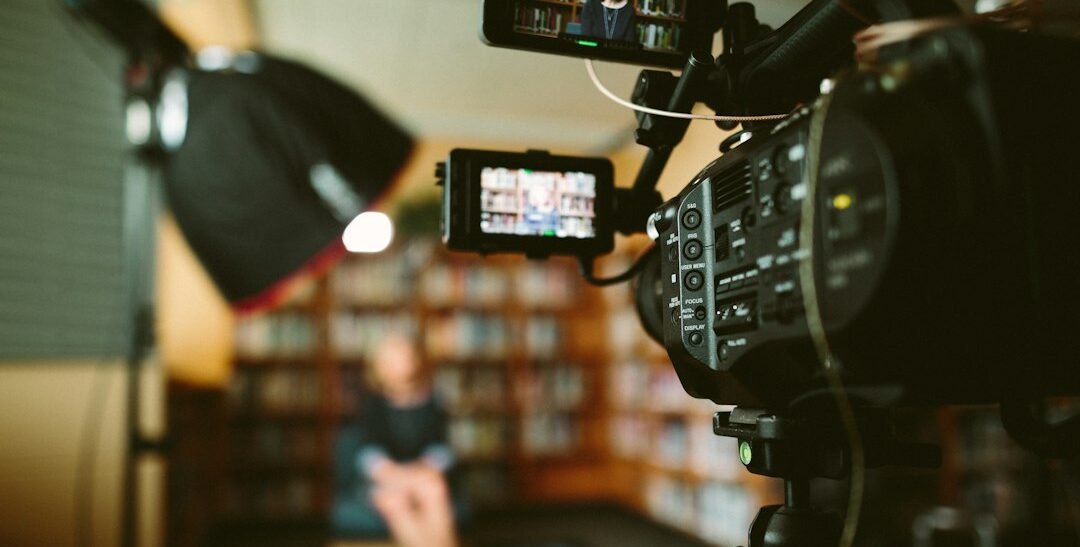
Illustrative production photograph: Sam McGhee on Unsplash. The image is not presented as an Infiniti client project.