
Post
Food Styling for Commercial Photography in the UAE: Plan Images Around Appetite and Accuracy
A restaurant photograph can be beautifully lit and still fail because the dish was prepared too early, the garnish hides the main ingredient, or the portion does not resemble what a guest receives. Food styling for commercial photography in the UAE brings kitchen operations and visual direction together so the image is appetising, believable and useful across menus, delivery listings and campaigns.
The stylist is not simply decorating a plate. The role includes planning preparation order, protecting freshness, selecting surfaces and coordinating the photographer with the chef. A disciplined shoot can reduce wasted dishes and produce a consistent library without misrepresenting the food.
Define the use before styling the dish
A delivery thumbnail must communicate the product at a small size. A website banner may need negative space for text. A seasonal campaign can show a wider dining scene. List the channels and required crops before cooking begins, because a composition built for one format may fail in another.
Ask whether the image needs to show the whole portion, packaging, sides or optional additions. Separate a standard menu photograph from a conceptual advertising scene. The customer should understand which elements are included in the order.
Select hero dishes deliberately
Choose dishes using commercial priorities, visual variety and operational readiness. Best sellers, new launches and high-margin items may be candidates, but the kitchen must be able to repeat them consistently. Do not photograph an experimental presentation that staff cannot deliver during service.
Group dishes with similar preparation or styling needs. This allows the team to keep lighting and surfaces efficient while still creating distinct images. Include alternatives in case an ingredient is unavailable on the day.
Create a preparation and shooting sequence
Some dishes hold their appearance; others change within minutes. Ice cream, fried food, delicate greens and hot sauces demand different timing. Build the schedule around the most time-sensitive elements rather than menu order.
Prepare the set and test lighting with a stand-in plate first. Bring the final dish only when the camera, crop and focus are ready. This reduces the time the food spends waiting under lights.
Keep portions and ingredients accurate
Use the portion size and components that customers can actually buy. If a prop, side or garnish is not included, avoid making it look like part of the standard order. A photograph should support the offer rather than create an expectation the kitchen cannot meet.
Do not use unsafe substitutes in edible dishes. Mark styling materials clearly and keep them separate from food that may be served or tasted. Ask the chef to review the final presentation before approving a take.
Choose surfaces and props with restraint
The plate, cutlery, fabric and table should support the food and brand. A luxury dessert may benefit from a clean, refined surface, while a casual sharing meal can use a more relaxed setting. Avoid adding props simply to fill space.
Check that props do not imply a cuisine, occasion or service format that conflicts with the restaurant. In a UAE campaign, cultural context and audience matter, but familiar symbols should not replace an authentic story about the dish.
Work with texture and shape
Texture
Let crisp edges, layers and sauces remain visible. Excessive garnish can hide the feature that makes the dish attractive.
Height and depth
Build a natural sense of depth without creating an unstable tower. A burger or layered dessert may need a lower camera angle; a platter may benefit from a higher view.
Colour
Use genuine ingredients to create contrast. Keep whites and greens believable, and avoid saturation that changes the expected appearance of the food.
Coordinate styling with lighting
Side light often reveals texture, while diffusion can soften harsh reflections on sauces and plates. The right choice depends on the dish. A shiny plate or wet surface can distract if highlights are not controlled.
Make small adjustments between the photographer and stylist. Moving a garnish or rotating the plate can be more effective than repeatedly changing the whole lighting setup. Capture a reference frame when the look is approved.
Plan packaging and delivery images
For delivery-focused brands, photograph the food in the actual packaging when it helps explain the purchase. Check lid clearance, portion visibility and branding. The image should not depend on a restaurant plate if the delivered experience is materially different.
Keep variants identifiable. If a meal has several sizes or options, label the files and shot list clearly so the ecommerce or delivery team does not attach the wrong image to a product.
Use people only when they add meaning
A hand serving, pouring or sharing can create scale and context. Plan the action so it can be repeated, and obtain consent from identifiable participants. Check styling continuity across takes: plate direction, food quantity and prop placement.
For campaign video, ask the editor what motions are needed. A pour, cut or reveal should work within the final crop and duration, not only look attractive on set.
Review images with the kitchen
The chef should confirm accuracy; marketing should confirm brand and channel fit; the photographer should confirm technical quality. Assign one final approver so conflicting feedback does not lead to endless revisions.
Review a sample on a phone as well as a large monitor. A detail that looks strong at full resolution may disappear in a small menu tile. Check the image without decorative text to ensure the food remains understandable.
Retouch carefully
Remove temporary distractions and correct colour within an agreed scope. Do not add ingredients, enlarge portions or change cooking results to make a product materially different. Keep the approved original and final file linked in the archive.
Export suitable sizes for each destination, retaining a high-quality master. Give files descriptive names with dish, variant and orientation. Accurate alt text should describe what is visible rather than make promotional claims.
A UAE planning example
Imagine a Dubai cafe launching a breakfast range. The team selects six dishes and defines delivery tiles, a horizontal website banner and vertical social clips. The lighting is tested before preparation. Hot dishes are plated in sequence, drinks are made near their shot time, and packaging is photographed separately. The chef checks portions while marketing checks crops.
This is a planning example rather than a claim about a completed client project. It shows how production choices follow the product and channel, rather than forcing every dish into one decorative composition.
Build a repeatable production brief
Include dishes, included components, preparation timing, crops, surfaces, brand references, approvals and delivery formats. Use our hospitality photography shot list for the wider location plan and ecommerce product photography guide for consistent catalogues.
For coordinated styling, photography and video planning, explore Infiniti commercial production services and contact our team. You can also review the agency on our homepage.
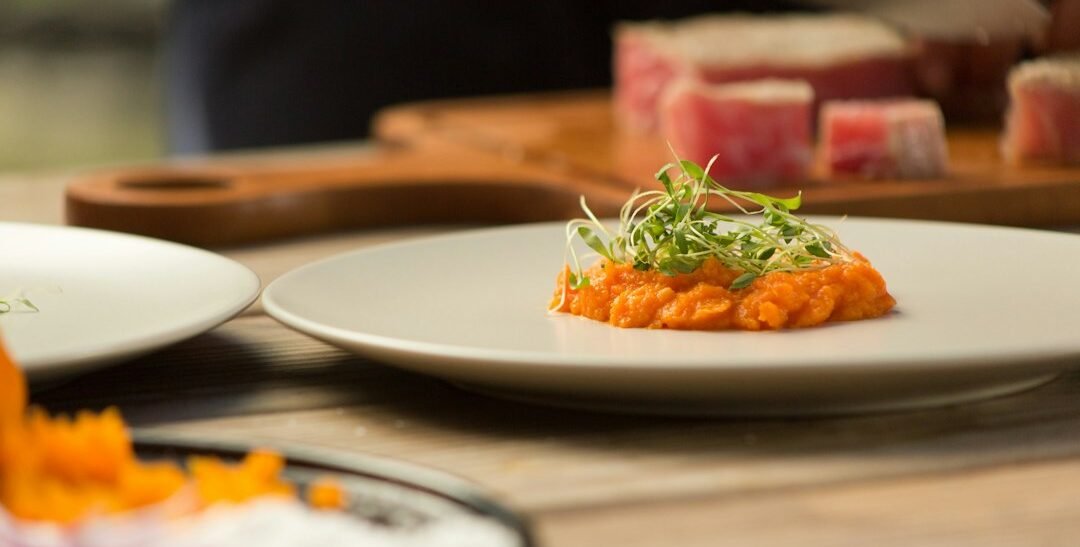
Illustrative photograph: Brands&People / Unsplash.