
Post
Commercial Video Location Scouting in the UAE: Check the Space Before the Shoot
A location can look perfect in a photograph and still be unsuitable for the planned video. Traffic may interrupt dialogue, reflections may expose equipment and the team may have too little room to position a camera safely. Commercial video location scouting in the UAE turns a promising space into a practical production decision. The purpose is not to find the most impressive backdrop; it is to confirm whether the location supports the story, the people and the working conditions.
This guide concerns a pre-shoot inspection for a business film, interview or commercial scene. It is distinct from writing the full production brief or documenting an event. Use it to create a record the producer, camera team, client and location contact can understand before equipment and participants arrive.
Translate the scene into location requirements
Write what must happen in the scene before inspecting spaces. An interview requires different conditions from a product demonstration or a moving sequence through an office. List participants, essential actions, expected camera positions and any object that must remain visible. This prevents the team from choosing a beautiful room that cannot accommodate the actual activity.
Separate essential requirements from preferences. Quiet dialogue may be essential, while a skyline view may be optional. A working counter at the correct height might matter more than decorative lighting. When a compromise is necessary, the team can then explain what is being traded and why, instead of discovering the conflict during the shoot.
Inspect the location at a relevant time
Visit during a time that resembles the proposed recording window where possible. Sunlight, building activity and traffic can change the space substantially. Record the date, approximate time and conditions of the inspection. A photograph taken in an empty room on a quiet afternoon does not establish what it will be like during a busy morning.
Ask the location contact about recurring interruptions, cleaning schedules, deliveries and adjacent activities. Do not treat an informal assurance that it is usually quiet as a substitute for listening. If a relevant condition cannot be observed, mark it as an uncertainty and decide how it will be checked before production.
Use the location sound recording guide to turn the scouting findings into microphone checks, monitoring responsibilities and a usable handover for the editor.
Listen before adding microphones
Stand quietly in the proposed recording positions and listen for air conditioning, lifts, machinery and conversations. Then record a short spoken test using a suitable setup if available. The aim is to identify problems early, not to produce the final sound during the scout. A room with hard reflective surfaces may require a different recording position or another location.
Shure’s microphone guidance notes that a microphone cannot improve the acoustic environment itself. That principle is useful during scouting: do not assume that equipment will remove every limitation of a noisy or reverberant space. For dialogue-heavy sessions, our business podcast recording guide provides additional preparation questions around sound and conversation.
Agree on interruption control
Identify who can coordinate quiet periods and communicate with other building users. Keep plans realistic and respectful of normal operations. If production requires adjustments to cooling or machinery, the location’s responsible personnel must assess what is appropriate. Do not make comfort, safety or business continuity depend on an improvised decision by the camera team.
Check light and reflections with the framing
Observe the direction of daylight and how it affects faces, products and backgrounds. Look for changing patches of sunlight, mixed colour sources and bright windows that dominate the composition. Take reference images from likely camera positions and label them. The producer should know which references illustrate a tested framing and which are simply general views.
Inspect glass, polished tables, screens and metal surfaces for reflections. A background may reveal crew, equipment or unrelated information when viewed through the camera. Consider whether the desired framing leaves space for lighting and flags without blocking a working route. Where constraints are significant, adjust the scene rather than relying on extensive repair after recording.
Map camera space and movement
Measure or document the practical working area. Include the distance needed for the intended framing, positions for participants and any planned movement. A wide room can still have limited usable space because of fixed furniture or access routes. Ask which items can be moved and who is authorized to move them.
Check both horizontal and vertical compositions if deliverables require them. An attractive wide view may crop poorly into a short vertical clip. Our vertical video planning guide explains why composition should be considered before capture. During the scout, mark what remains visible and what disappears in each intended format.
Confirm access, power and equipment logistics
Document loading access, lifts, stairs, parking arrangements and the route from unloading to the set. Identify practical restrictions on equipment size or setup time. A room on an upper floor may be straightforward for a small interview and difficult for a larger lighting package. Share these conditions with the production team before confirming the equipment plan.
Confirm available power with the location’s responsible contact and have qualified personnel assess technical requirements where needed. Do not assume that a visible outlet can support any planned load. Keep cables and working areas clear through an agreed setup. The scout should surface requirements for professional assessment rather than encouraging improvised electrical solutions.
Verify permission and privacy arrangements
Identify who controls the space and which approvals the specific production requires. Requirements depend on the location and activity, so confirm them with the relevant owner or authority before filming. A general office booking is not evidence that every planned commercial use is permitted. Keep the actual approval records with the production plan.
Check whether bystanders, screens, client documents or restricted areas could appear in the background. Plan how they will be excluded or handled appropriately. This is operational preparation, not legal advice or confirmation that a permit is unnecessary. Do not proceed on the assumption that an unobtrusive camera removes the need to verify permission.
Create a fallback that preserves the message
Identify an alternative room, camera position or recording sequence for foreseeable problems. The fallback should still communicate the essential idea, even if it is visually simpler. For exterior scenes, review the proposed working conditions and the team’s approved safety arrangements. Avoid promising that an outdoor scene will be achievable regardless of weather or operating constraints.
A fallback is useful only when the team knows when to use it. Agree who makes the decision and what condition triggers the change. If moving locations affects the schedule, participants or approvals, record those consequences. A realistic alternative is better than an attractive option that cannot be arranged on the day.
An illustrative UAE scouting example
Imagine a Dubai service company planning an interview and a short demonstration in its office. During the scout, the meeting room’s glass walls create reflections and corridor noise interrupts a test. The team identifies a furnished internal room for dialogue and retains the reception area for silent visual footage. It confirms access and agrees on a quiet recording window.
This example is illustrative, not a documented Infiniti client outcome. It demonstrates a useful principle: one location does not need to perform every production role. Separating dialogue from supporting footage may preserve the message while reducing avoidable sound and framing problems.
Turn the visit into a decision record
Share reference frames, constraints, required approvals, open questions and the selected fallback. Give each unresolved item an owner and a deadline before the final go-ahead. For coordinated preparation, explore Infiniti photography and video services and our wider commercial production guide. Contact the team with the scene and location, or visit our homepage.
Technical reading: Shure on critical distance and microphone placement.
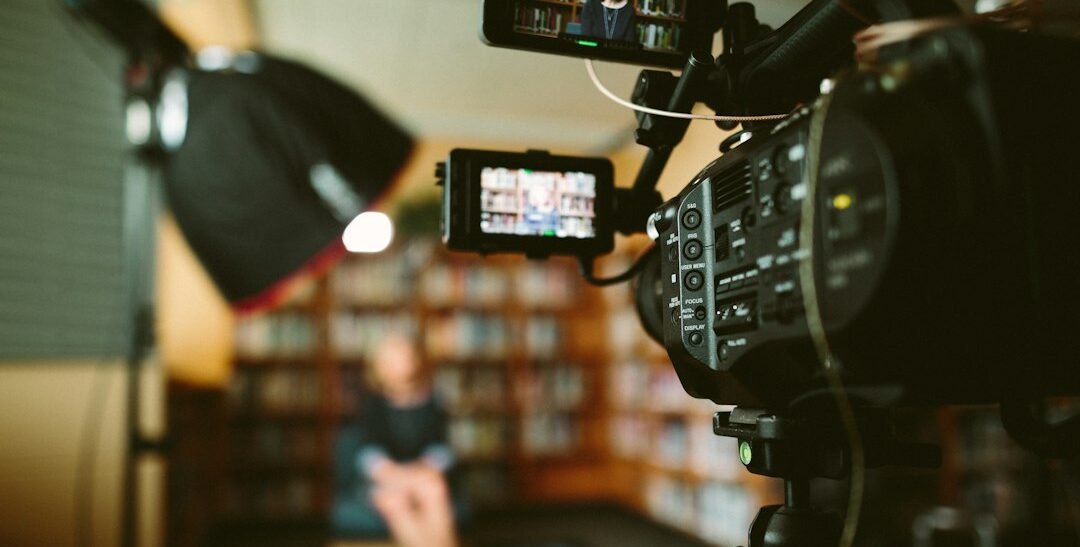
Illustrative production photograph: Sam McGhee / Unsplash. Not a photograph of an Infiniti client shoot.