
Post
Commercial Video Call Sheets in the UAE: Give Every Person the Right Plan for the Shoot Day
The camera crew arrives at the correct building but the wrong entrance. A presenter follows an old schedule, while the client expects the first scene to start before the set is ready. Commercial video call sheets in the UAE turn a production plan into practical instructions for the people attending the shoot. A useful document explains where to go, when to arrive, what to prepare and whom to contact when an agreed arrangement changes.
This guide focuses on the working document distributed for a shoot day, rather than creating the visual story or scouting the location. The examples are hypothetical UAE production situations, not descriptions of client projects. A call sheet supports coordination; it does not replace authorised site instructions, specialist safety planning or direct communication about an urgent change.
Define who needs which information
Start with the people attending and the decisions they need to make. Crew, presenters, client reviewers and location staff may share some information while needing different preparation details. Decide whether one document can serve everyone clearly or whether controlled role-specific versions are more appropriate. More detail is not automatically more useful when it hides the instruction a person actually needs.
Assign an owner to prepare and issue the call sheet. Name the people who verify the schedule, location access and participant arrangements before release. A polished document can still be wrong if nobody has checked its assumptions. The owner should know which information is confirmed, which remains provisional and what must be resolved before people travel.
Make the date, version and location unmistakable
Put the shoot date and document version where readers can find them quickly. Identify the project and the location using names that participants recognise. If a production includes several days or locations, make that distinction explicit. A file named final is not a dependable version system when another final file appears later in the conversation.
Describe the actual arrival point
A map link to a large building may not identify the approved entrance, meeting point or loading area. Verify those details with the location contact. For a hypothetical Dubai office shoot, presenters might use reception while equipment arrives through a separate access point. Give each group the relevant instruction rather than assuming that one pin answers every arrival question.
Separate call times from filming times
A participant’s arrival time and the planned start of their scene are different. Account for preparation, wardrobe, sound checks and rehearsal where the plan requires them. Do not tell everyone to arrive when recording begins and then rely on the crew to absorb the resulting delay. The schedule should reflect the work needed before the camera can capture the intended scene.
Use role-specific times when they help the operation. A client reviewer may not need to attend equipment setup, while a presenter may need preparation before the review window. Avoid creating unnecessary waiting by asking every participant to follow the earliest crew call without a reason. Clear timing respects people’s availability and makes actual dependencies easier to manage.
Turn the scene plan into a usable sequence
Present the planned order in a format that can be read quickly on a phone or printed page. Include a short scene description, relevant participants, location area and the working time allocation. Use identifiers that connect with the storyboard or approved scene plan, so the team can find the corresponding creative instructions without guessing.
Do not copy every detail of the script into the schedule. Link to the current approved material or provide a separate reference when needed. The call sheet should help people coordinate the day, while the script and shot plan explain the creative content. Keeping those roles clear makes each document easier to update without introducing conflicting versions of the same instruction.
Check dependencies before distributing the schedule
Review what must happen before each scene: room access, product delivery, setup changes, participant preparation or a client decision. A schedule may look reasonable until it assumes that the same room can host two activities at once. Ask the crew and location coordinator to review transitions, not only the time assigned to individual scenes.
For an illustrative Abu Dhabi production with an interview and a product demonstration, the same person may be needed in both while equipment is moved between areas. The call sheet should reflect that dependency rather than treating the activities as independent. Add preparation or transition time based on the actual plan, and identify who can approve a change when a dependency is delayed.
Give preparation instructions a clear owner
Summarise what participants need to bring or complete before arrival. Clothing, approved scripts, product samples and access arrangements should be specific enough to act on. The guide to wardrobe planning can support those instructions, but the call sheet should point people to the approved choice rather than introducing a new creative direction at the last moment.
Confirm who supplies each essential item and who verifies that it has arrived. Avoid vague notes such as client to bring products when several people could interpret the instruction differently. A named responsibility and a concise list are more useful. Keep extensive equipment inventories or specialist documents separate when they would overwhelm the general attendance plan.
Keep contact information useful and controlled
Provide the contact route participants need for arrival and coordination, using information authorised for that distribution. Do not turn the call sheet into an unnecessarily broad directory of personal numbers or confidential client details. Decide who receives the document and where the current version is stored. A shareable link should have access settings appropriate to the production.
Make urgent escalation instructions consistent with the location’s approved arrangements. Do not invent emergency guidance or use the production coordinator as a substitute for the responsible site personnel. The document should help participants find the correct instruction and contact, while specialist plans remain owned by the people qualified and authorised to maintain them.
Control changes after issue
Use a defined process for revising the document. Mark the new version and summarise changes that affect attendance, preparation or location. Replace the distributed reference where practical and tell the affected people directly when a critical instruction changes. Sending a new attachment into a busy group does not prove that everyone has seen it.
Ask for acknowledgement when the change warrants it, especially for a revised call time or arrival point. Keep a record of outstanding confirmations so the coordinator can follow up. Do not make participants compare two long documents line by line to discover that their time moved. A short change summary reduces the chance that a technically current document remains operationally ignored.
Review readiness before the day begins
Check the current participant list, confirmed access and approved materials against the issued call sheet. Revisit findings from the location scout that affect arrival or setup. If a condition has changed, resolve the practical consequence before treating the document as ready. The call sheet is a summary of verified arrangements, not a tool for making uncertain arrangements appear final.
Infiniti iN Media brings planning and execution together through its commercial video production services. Contact the team with your scenes, participants and filming location to prepare a workable shoot-day plan. The right call sheet helps each person arrive with the information they need and gives the crew a shared reference when the day changes.
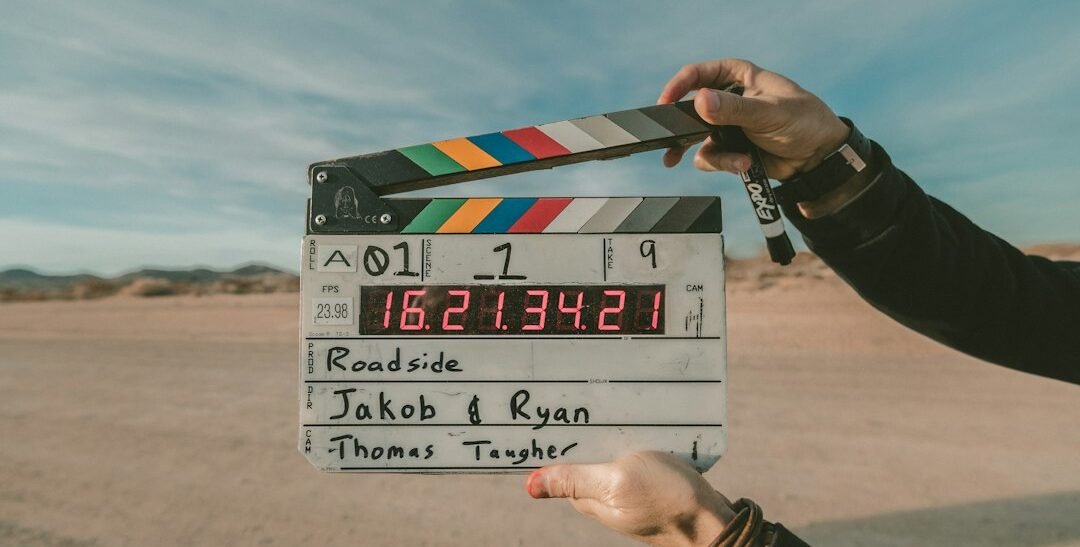
Illustrative production photograph: Jakob Owens on Unsplash. The image is not presented as an Infiniti client shoot.