
Post
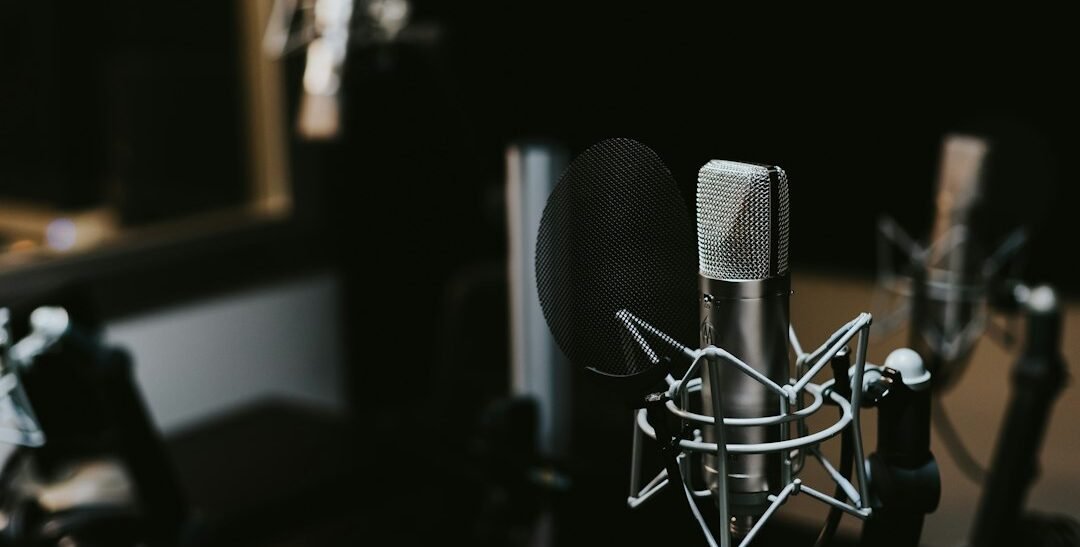
Business Podcast Recording in the UAE: Build a Clear Conversation Before Adding Cameras
A company podcast can look impressive and still be difficult to listen to. A reflective meeting room, vague questions and an unprepared guest can leave the editor with attractive footage but little useful conversation. Business podcast recording in the UAE starts with a clear editorial purpose and reliable sound. Cameras support that purpose; they do not replace it. Before booking a session, decide who should listen, what problem the episode addresses and what the guest can explain from experience.
This guide covers recording preparation for a company interview or discussion. It is separate from planning a promotional testimonial, filming an event or translating an existing campaign. The aim is a coherent conversation that remains useful as a full episode and can support shorter extracts without changing what the speaker meant.
Define one audience question per episode
Choose a question narrow enough to answer with detail. A facilities business might discuss how an operations manager prepares a building for seasonal maintenance. A software company could explain how teams agree on requirements before development. These topics give the host a route through the discussion. A broad promise to talk about business success often produces general statements that sound familiar but reveal little.
Write the intended takeaway in one sentence and identify the evidence the guest can contribute. Evidence might include a process, a decision, an example or a lesson from a project. Do not invite someone to make claims they cannot support. If the discussion concerns a client, confirm what can be shared before recording rather than relying on the editor to remove sensitive information later.
Prepare the guest without scripting every answer
Send a short brief containing the audience, theme, approximate recording window and discussion areas. Ask the guest to bring specific examples and define unfamiliar terms. A complete word-for-word script can make an interview feel recited, while no preparation can leave it unfocused. A question map gives enough structure while allowing natural follow-up questions.
Separate background questions from questions intended for the final episode. The host may need context to understand the business, but the audience does not need every detail. Discuss name pronunciation, job title and any topics the guest cannot address. Confirm language expectations early, especially when English conversation includes Arabic names, local terminology or technical vocabulary.
Evaluate the room before choosing the visual setup
Listen in the room during the hours you intend to record. Air conditioning, passing traffic, nearby calls and movement outside the door may be more noticeable through microphones than to people sitting there. A large glass boardroom can sound different from a smaller furnished space. Test an actual spoken conversation before deciding that a location is suitable because it photographs well.
Shure’s recording guidance explains the importance of the acoustic environment and reducing reflections with appropriate soft materials. Use that principle as a starting point, then test the specific room. Do not assume that a premium microphone or noise processing will repair every problem. The practical priority is a quiet location and consistent, intelligible speech.
Check continuity in UAE office conditions
Agree with the office team on a quiet recording period. Avoid unexpected meetings in the adjacent room and designate someone who can prevent interruptions. Maintain a comfortable room rather than switching off essential cooling for an entire long session without a plan. Any adjustment should be tested for both comfort and sound, with breaks included where appropriate.
Give each speaker a dependable audio path
Use a recording arrangement that allows the sound operator to monitor each participant and identify issues. Separate tracks can make balancing speakers easier when the chosen equipment supports them. Place microphones consistently and test how normal gestures affect the recording. A guest who repeatedly turns away from the microphone may need a simple positioning explanation before the discussion starts.
Record a short test, play it back on headphones and listen for distortion, room echo, clothing noise and uneven volume. Check names and opening statements as part of the test. Confirm recording status throughout the session instead of assuming a visible camera means audio is being captured. Build a backup plan appropriate to the session’s importance and equipment.
Plan cameras around a conversation that stays natural
Decide whether the episode needs individual speaker views and a wider view. Additional cameras create more flexibility, but they also add setup, synchronization and review work. For a small production, a clean composition with dependable sound may be more useful than ambitious coverage that distracts the participants. Keep equipment out of comfortable sight lines where possible.
Test the framing for full episodes and intended short extracts. A wide composition can become awkward when cropped vertically, particularly when two people sit far apart. Plan the crop rather than hoping it works later. Consult our vertical video planning guide for channel-specific framing, while keeping the podcast’s longer conversation as the primary structure.
Use an interview map with room for follow-up
Organize the episode into an opening problem, an explanation, a practical example and a useful conclusion. Prepare a few prompts under each section. The host should ask for clarification when the guest uses a broad phrase such as improving efficiency. What changed? Who performed the task? What information was needed? These questions turn general claims into understandable discussion.
Allow pauses and avoid speaking over the answer unless necessary. If an important point is unclear, ask for a fresh explanation during recording. Do not depend on heavy editing to create a statement the guest never made. An effective host listens for gaps rather than rushing through a fixed list of questions.
Approve facts and keep edit decisions transparent
Agree on the review process before filming. Decide who checks factual details, names, titles, confidential references and brand presentation. Specify the review window and the scope of revisions. This helps prevent a recording from remaining unpublished because several people assume someone else owns approval.
Keep short extracts faithful to the wider discussion. A clip should not remove a qualification that changes the meaning of a claim. Captions need human review for names and specialized terms. If an episode is in English and some extracts use Arabic subtitles, review those subtitles as editorial content rather than treating automatic translation as final.
A practical UAE planning example
Consider a Dubai company recording a discussion with an operations lead about onboarding a new supplier. The producer defines the audience as office managers, checks which examples can be shared and chooses a quiet furnished room. The host prepares questions about documents, responsibility and common delays. A short audio test reveals room reflections, prompting a location adjustment before the guest begins.
This is an illustrative scenario, not a report of a completed client project. It shows how editorial preparation and testing guide production choices. The same team can then create an episode outline and identify potential extracts, without promising a specific audience size or number of enquiries.
Judge the episode by useful listening, not equipment
After publishing, review audience retention and the questions viewers ask where your platform provides that information. Compare episodes with similar purposes and lengths carefully. A smaller relevant audience may be more valuable than broad views, but only business follow-up can establish that. Do not equate plays with qualified leads or attribute every new enquiry to the podcast.
For coordinated recording and visual production, explore Infiniti commercial photography and video services. Review our commercial video planning article for broader production decisions, or contact our team with your topic, speakers and intended channels. Our homepage explains the agency’s wider services.
Technical reading: Shure’s audio recording guidance. Illustrative photograph: Jonathan Velasquez / Unsplash.