
Post
Video Localization for UAE Campaigns: Build Arabic and English Versions That Work
A strong campaign film can become confusing when its second-language version is treated as a final export task. The words may be accurate, yet the voice feels rushed, the caption covers the product and the call to action no longer matches the landing page. Video localization for UAE campaigns is an editorial and production process that preserves meaning while adapting how that meaning is delivered.
This guide is for marketing teams commissioning Arabic and English versions of the same commercial message. It covers scripts, timing, visual text and approvals rather than general filming technique. The examples are hypothetical UAE planning situations, not client case studies. The objective is a coherent campaign in each language, without assuming that every audience needs the same presentation.
Define what must remain consistent
Before adapting a script, identify the facts that cannot change: the product, service scope, offer conditions, brand name and action the viewer should take. Put these in a short reference sheet shared by the writer, editor and reviewer. Creative flexibility should not create different promises across language versions.
Then distinguish facts from expression. A headline, spoken opening or example can change when that makes the message clearer. A warranty statement or included service cannot be casually expanded. If a term has several plausible translations, ask the business owner to confirm its intended meaning before the production team chooses the most attractive wording.
Write for the viewing situation
Consider where the video appears and what the viewer already knows. A short social placement needs a different introduction from a film embedded on a detailed service page. Decide whether each version needs spoken narration, on-screen explanation or both. Translation cannot compensate for a script that contains too many ideas for the allotted duration.
For a hypothetical Dubai software company, the English version might explain an operational workflow to a procurement audience, while an Arabic placement introduces the business problem more directly. Both can describe the same capability without using identical sentence structures. Confirm audience assumptions through customer conversations rather than treating language as a substitute for understanding buyers.
Adapt the script before recording voices
Preserve the argument, not the word order
Map the script into opening, explanation, evidence and next step. Adapt each part so the reasoning remains clear. A literal phrase may sound unnatural or require more time when spoken. Read the complete version aloud before approval; a sentence that looks concise on a document may be awkward in a ten-second segment.
Resolve terminology deliberately
Create a compact glossary for repeated technical terms, service names and abbreviations. Explain unfamiliar concepts when the audience needs that context. Decide when a brand or software name should remain in its original form. Consistency helps the viewer connect the video with the website and the response they receive from customer support.
Plan timing around natural speech
Use a timed read with the intended delivery style, including pauses. If the adapted script is too long, edit the message instead of forcing an unnaturally fast voiceover. Leave space for important visual evidence. The point of a localized version is comprehension, not demonstrating that every sentence from the source has been retained.
Give the voice performer useful direction
Specify tone, pronunciation, emphasis and audience. Provide approved pronunciations for names and a reference for the desired pace. Agree on the appropriate Arabic register with the client; a formal explanation and a conversational promotional piece may need different choices. Avoid selecting a dialect solely because it sounds fashionable.
Record short alternatives for uncertain openings when the production scope allows. Review a sample before completing the full take so pronunciation errors are caught early. Keep approved voice files clearly separated from test recordings. An editor working quickly should not have to guess which version the client accepted.
Design captions as part of the picture
Captions should remain readable on the smallest intended screen. Review line breaks, punctuation and placement in both languages. Arabic shaping and right-to-left text must survive the editing and export workflow correctly. Use an actual rendered preview to check this; a script document cannot reveal broken glyphs in the finished video.
Allow space for interface overlays and placement-specific crops. A caption that looks comfortable in a clean editing canvas may collide with a platform button or hide the demonstration. Keep essential text away from uncertain edges, and validate the current placement requirements before delivery rather than assuming one universal safe area.
Localize visual information beyond subtitles
Check diagrams, screenshots, price cards, dates and labels that appear inside the frame. If the spoken message refers to a translated button but the screen shows a different label, the viewer may struggle to follow. Where a real interface remains in English, explain it accurately instead of inventing a localized screen the customer cannot use.
For a hypothetical Abu Dhabi training business, the Arabic call to action should lead to a page that explains the same booking process. If the destination is only available in English, decide openly how the journey will work. A polished localized video should not hand viewers to an inconsistent or inaccessible next step.
Use a structured review workflow
Separate factual review, language review and visual review. The business owner validates the offer, a competent language reviewer checks meaning and naturalness, and the production team checks synchronization and export quality. One person may cover several roles, but the responsibilities should still be explicit.
Collect comments against timecodes and version numbers. “The Arabic feels wrong” is hard to action; “at 00:07 the phrase suggests installation is included” identifies a specific issue. Resolve factual changes across every affected version. Otherwise the campaign can end up with one corrected film and another still carrying the old promise.
Build an efficient delivery package
List each language, aspect ratio, caption treatment and duration required. Include the approved script and a simple file naming convention. Distinguish captions embedded into the picture from separate caption files if both are needed. Confirm whether clean versions without text are part of the agreement, so future adaptations do not require rebuilding the edit unnecessarily.
Keep a record of music, stock assets and performer permissions applicable to the intended use. Localization may introduce new recordings or assets with different usage terms. Do not assume that an agreement for one version automatically covers every future placement or adaptation; check the actual scope with the relevant rights holder.
Evaluate comprehension before expanding distribution
Ask a few representative viewers what the service is, what evidence they remember and what they would do next. This is a practical clarity check, not a statistically conclusive campaign result. Combine the feedback with observed performance once the videos are live, accounting for differences in audience, placement and media spend.
Learn more about preparing a production brief and interview-led customer video. Explore production and digital services at Infiniti in Media, or contact our team with your approved message and required versions. A clear localization plan makes each film easier to understand, review and maintain.
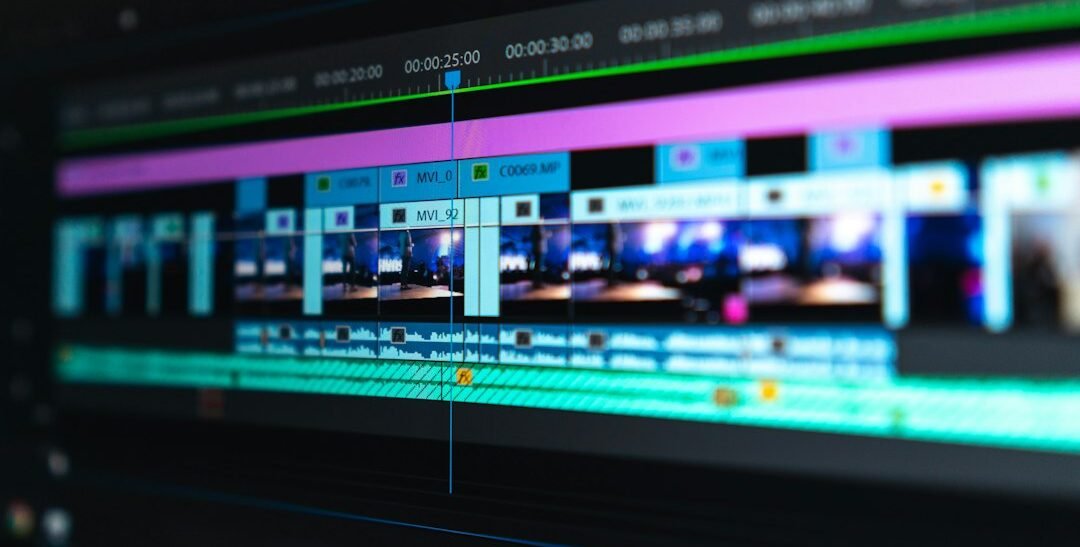
Illustrative stock image, not an Infiniti client project: Peter Stumpf / Unsplash.